Breakdown
Match To Live Action
November, 2026
Process
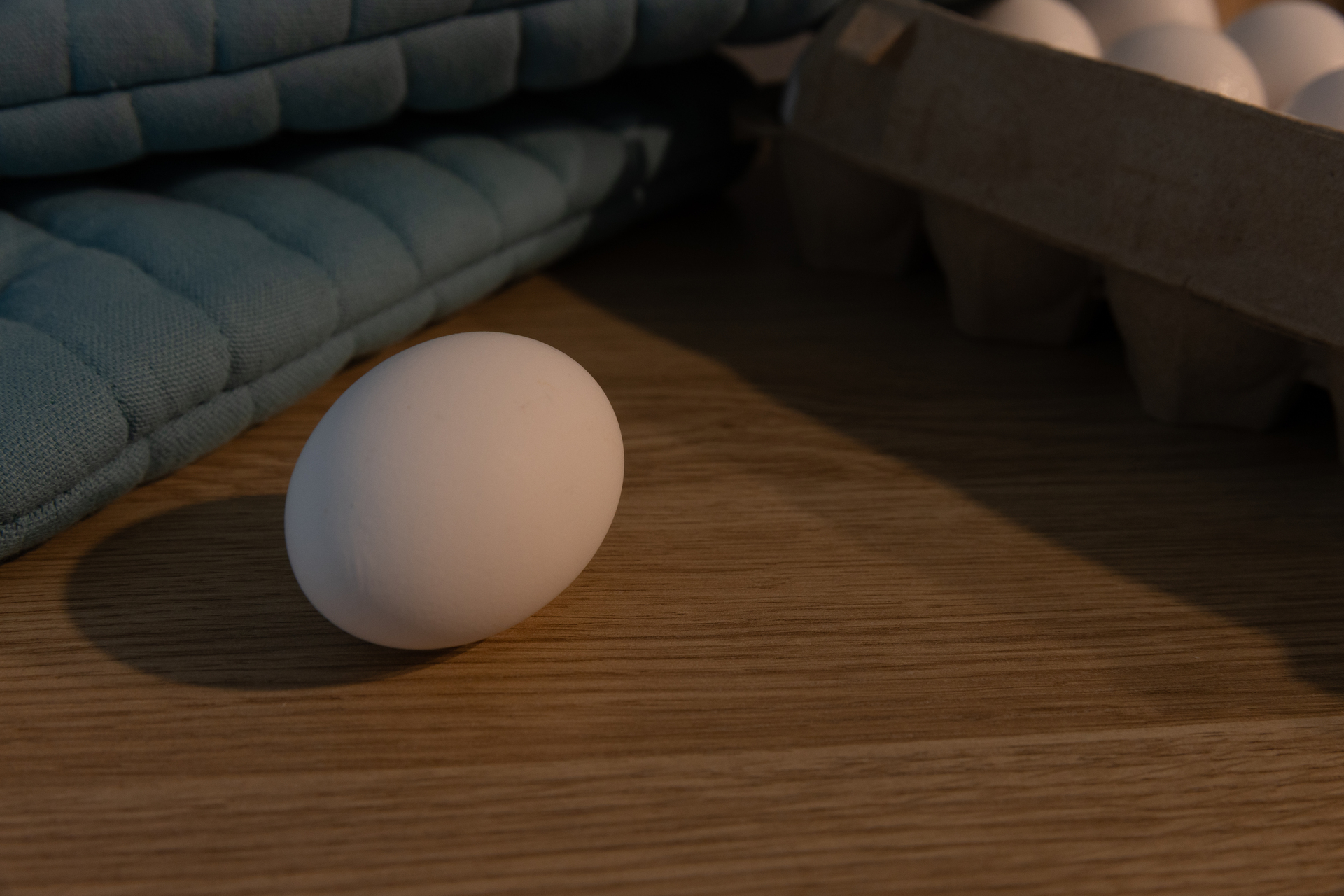
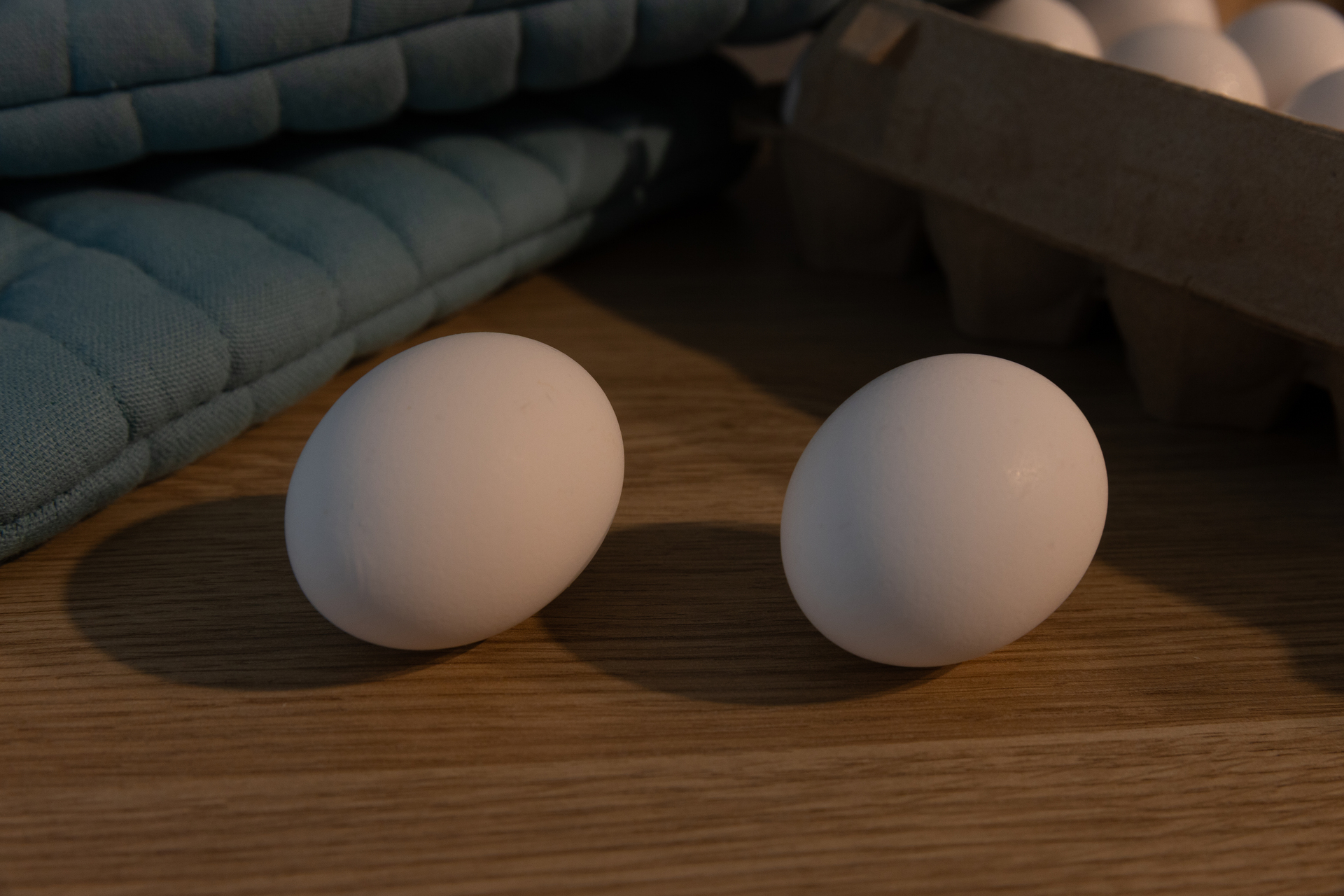
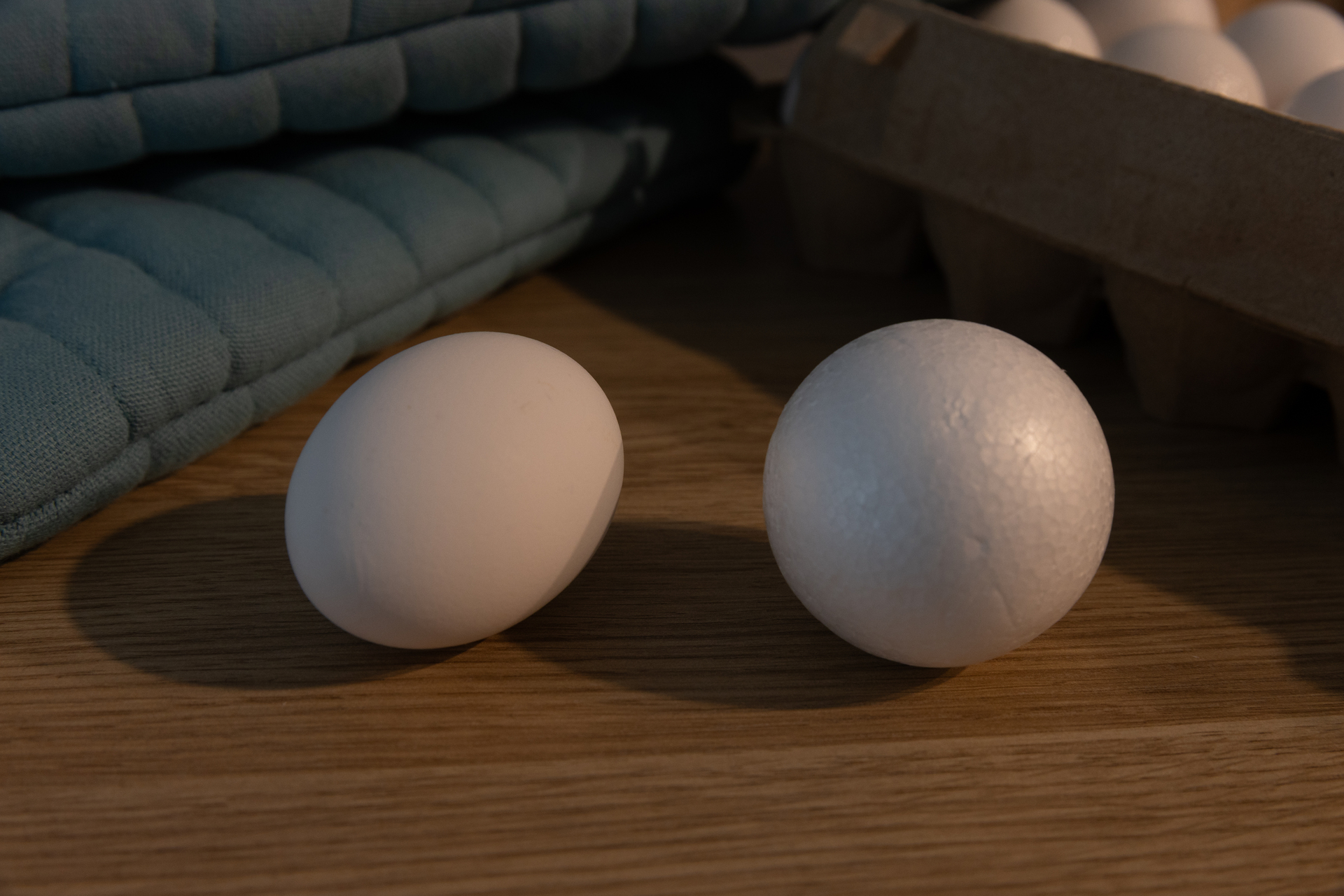
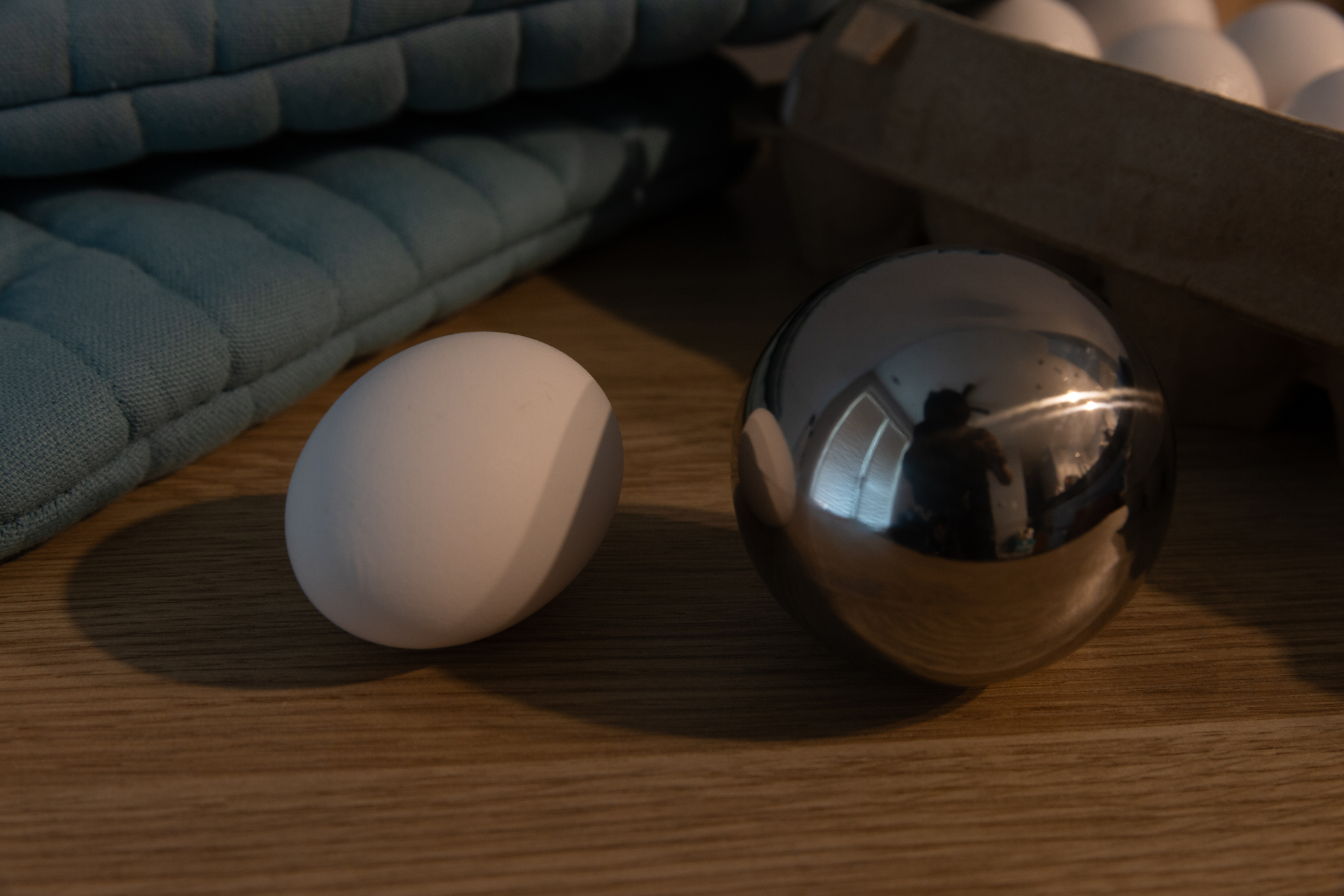
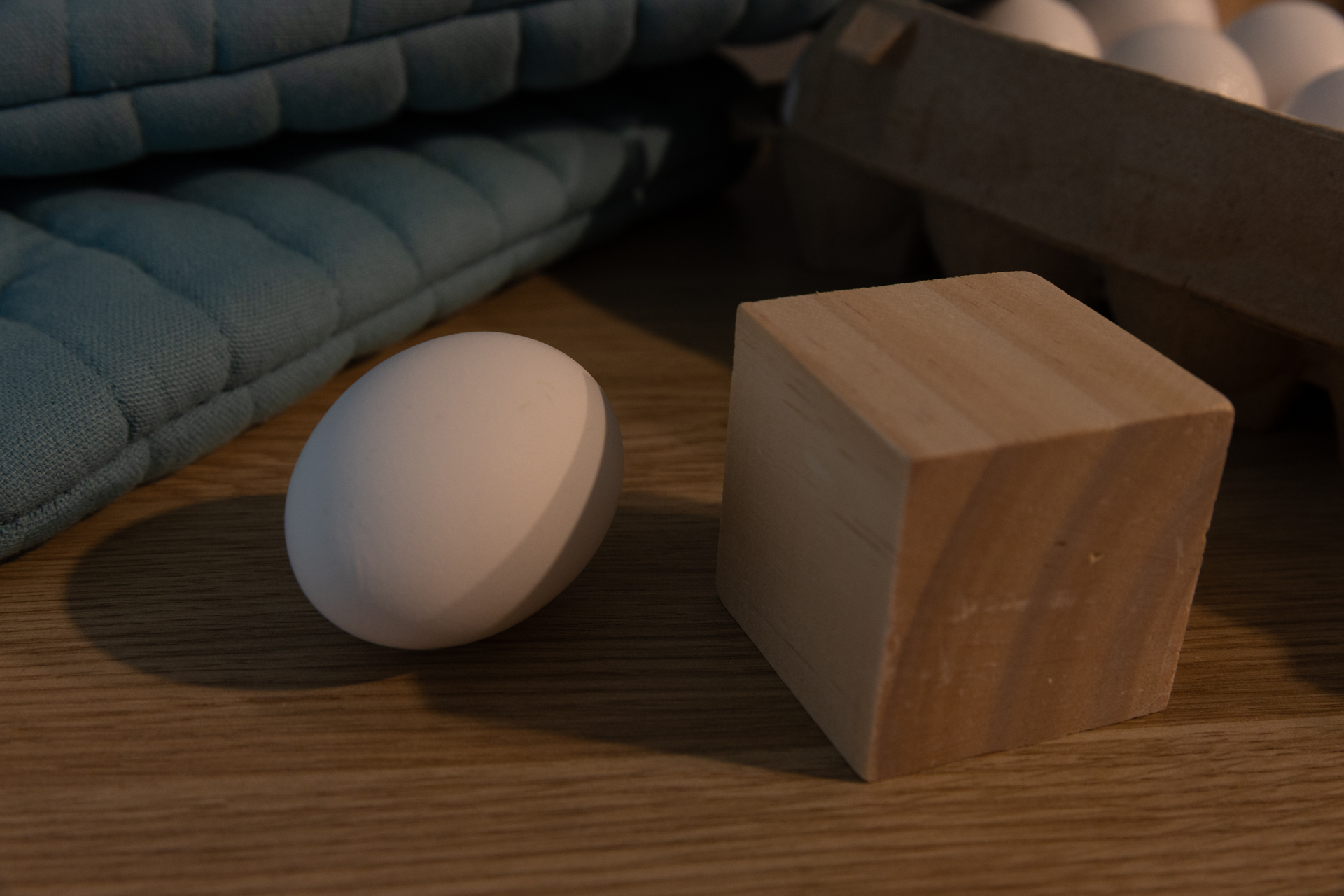
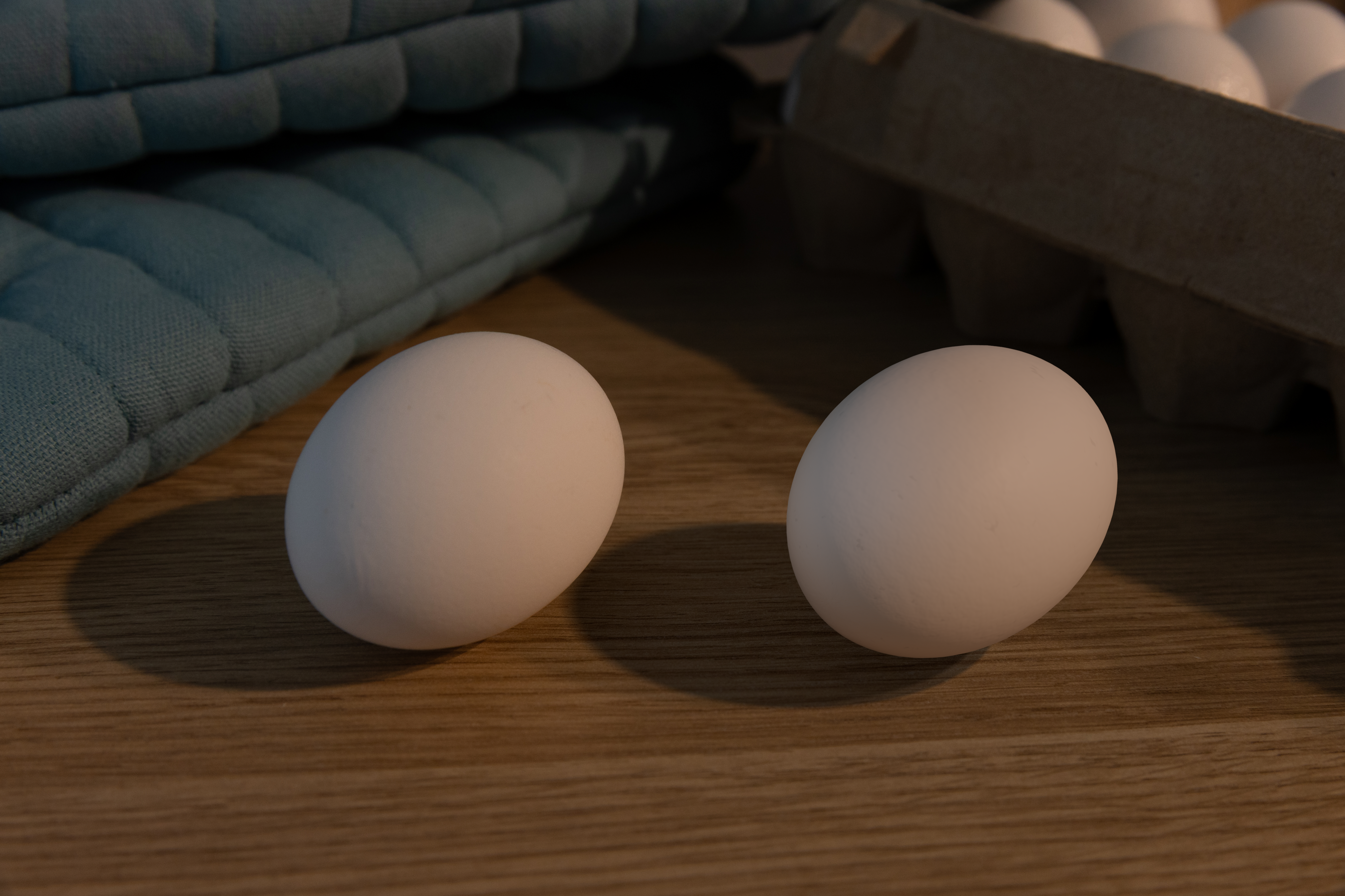
This project began with shooting a clean plate and a twin plate as reference. On set, I captured lighting data using a chrome ball, gray ball, and reference cube to accurately analyze light direction, intensity, and color.
The asset was modeled, textured, and lit in Maya, with rendering done in Arnold. Effects were created in Houdini, then re-rendered in Maya for final integration. Compositing was completed in Nuke to seamlessly blend the CG elements with the live-action plate.
Rather than focusing on complex modeling, this project used a simple object to emphasize in-depth lighting and texturing, allowing for a more detailed study of material response, surface variation, and realistic light interaction.
Maya | Arnold | Houdini | Nuke